

 README

README

title: 👋 Welcome description: 🧬 Template engine middlewares for Fiber. sidebar_position: 1






This package provides universal methods to use multiple template engines with the Fiber web framework using the new Views interface that is available from > v1.11.1. Special thanks to @bdtomlin & @arsmn for helping!
9 template engines are supported:


Installation
Go version support: We only support the latest two versions of Go. Visit https://go.dev/doc/devel/release for more information.
go get -u github.com/gofiber/fiber/v3
go get -u github.com/gofiber/template/any_template_engine/vX
Example
package main

import (
	"log"

        "github.com/gofiber/fiber/v3"

	// To use a specific template engine, import as shown below:
	// "github.com/gofiber/template/pug/v3"
	// "github.com/gofiber/template/mustache/v3"
	// etc..

	// In this example we use the html template engine
	"github.com/gofiber/template/html/v3"
)

func main() {
	// Create a new engine by passing the template folder
	// and template extension using <engine>.New(dir, ext string)
	engine := html.New("./views", ".html")

  	// We also support the http.FileSystem interface
	// See examples below to load templates from embedded files
	engine := html.NewFileSystem(http.Dir("./views"), ".html")

	// Reload the templates on each render, good for development
	engine.Reload(true) // Optional. Default: false

	// Debug will print each template that is parsed, good for debugging
	engine.Debug(true) // Optional. Default: false

	// Layout defines the variable name that is used to yield templates within layouts
	engine.Layout("embed") // Optional. Default: "embed"

	// Delims sets the action delimiters to the specified strings
	engine.Delims("{{", "}}") // Optional. Default: engine delimiters

	// AddFunc adds a function to the template's global function map.
	engine.AddFunc("greet", func(name string) string {
		return "Hello, " + name + "!"
	})

	// After you created your engine, you can pass it to Fiber's Views Engine
	app := fiber.New(fiber.Config{
		Views: engine,
	})

	// To render a template, you can call the ctx.Render function
	// Render(tmpl string, values interface{}, layout ...string)
	app.Get("/", func(c fiber.Ctx) error {
		return c.Render("index", fiber.Map{
			"Title": "Hello, World!",
		})
	})

	// Render with layout example
	app.Get("/layout", func(c fiber.Ctx) error {
		return c.Render("index", fiber.Map{
			"Title": "Hello, World!",
		}, "layouts/main")
	})

	log.Fatal(app.Listen(":3000"))
}
More Examples
To view more specific examples, you could visit each engine folder to learn more
embedded Systems
We support the http.FileSystem interface, so you can use different libraries to load the templates from embedded binaries.
pkger
Read documentation: https://github.com/markbates/pkger
package main

import (
	"log"

        "github.com/gofiber/fiber/v3"
	"github.com/gofiber/template/html/v3"

	"github.com/markbates/pkger"
)

func main() {
	engine := html.NewFileSystem(pkger.Dir("/views"), ".html")

	app := fiber.New(fiber.Config{
		Views: engine,
	})

	// run pkger && go build
}
packr
Read documentation: https://github.com/gobuffalo/packr
package main

import (
	"log"

        "github.com/gofiber/fiber/v3"
	"github.com/gofiber/template/html/v3"

	"github.com/gobuffalo/packr/v2"
)

func main() {
	engine := html.NewFileSystem(packr.New("Templates", "/views"), ".html")

	app := fiber.New(fiber.Config{
		Views: engine,
	})

	// run packr && go build
}
go.rice
Read documentation: https://github.com/GeertJohan/go.rice
package main

import (
	"log"

        "github.com/gofiber/fiber/v3"
	"github.com/gofiber/template/html/v3"

	"github.com/GeertJohan/go.rice"
)

func main() {
	engine := html.NewFileSystem(rice.MustFindBox("views").HTTPBox(), ".html")

	app := fiber.New(fiber.Config{
		Views: engine,
	})

	// run rice embed-go && go build
}
fileb0x
Read documentation: https://github.com/UnnoTed/fileb0x
package main

import (
	"log"

	"github.com/gofiber/fiber/v3"
	"github.com/gofiber/template/html/v3"
	// your generated package
	"github.com/<user>/<repo>/static"
)

func main() {
	engine := html.NewFileSystem(static.HTTP, ".html")

	app := fiber.New(fiber.Config{
		Views: engine,
	})

	// Read the documentation on how to use fileb0x
}
Benchmarks
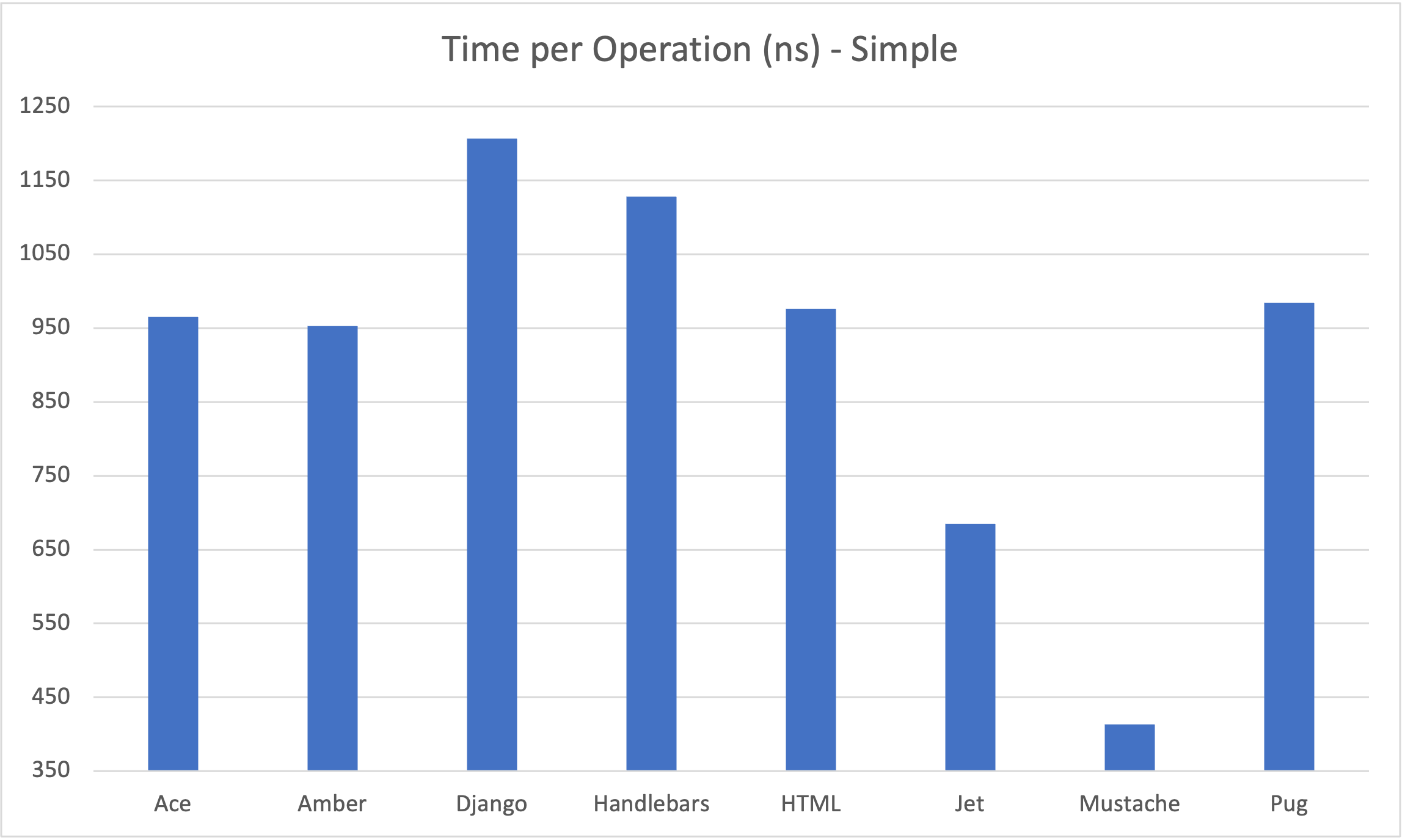
See the benchmarks under https://gofiber.github.io/template/benchmarks
Simple
Extended
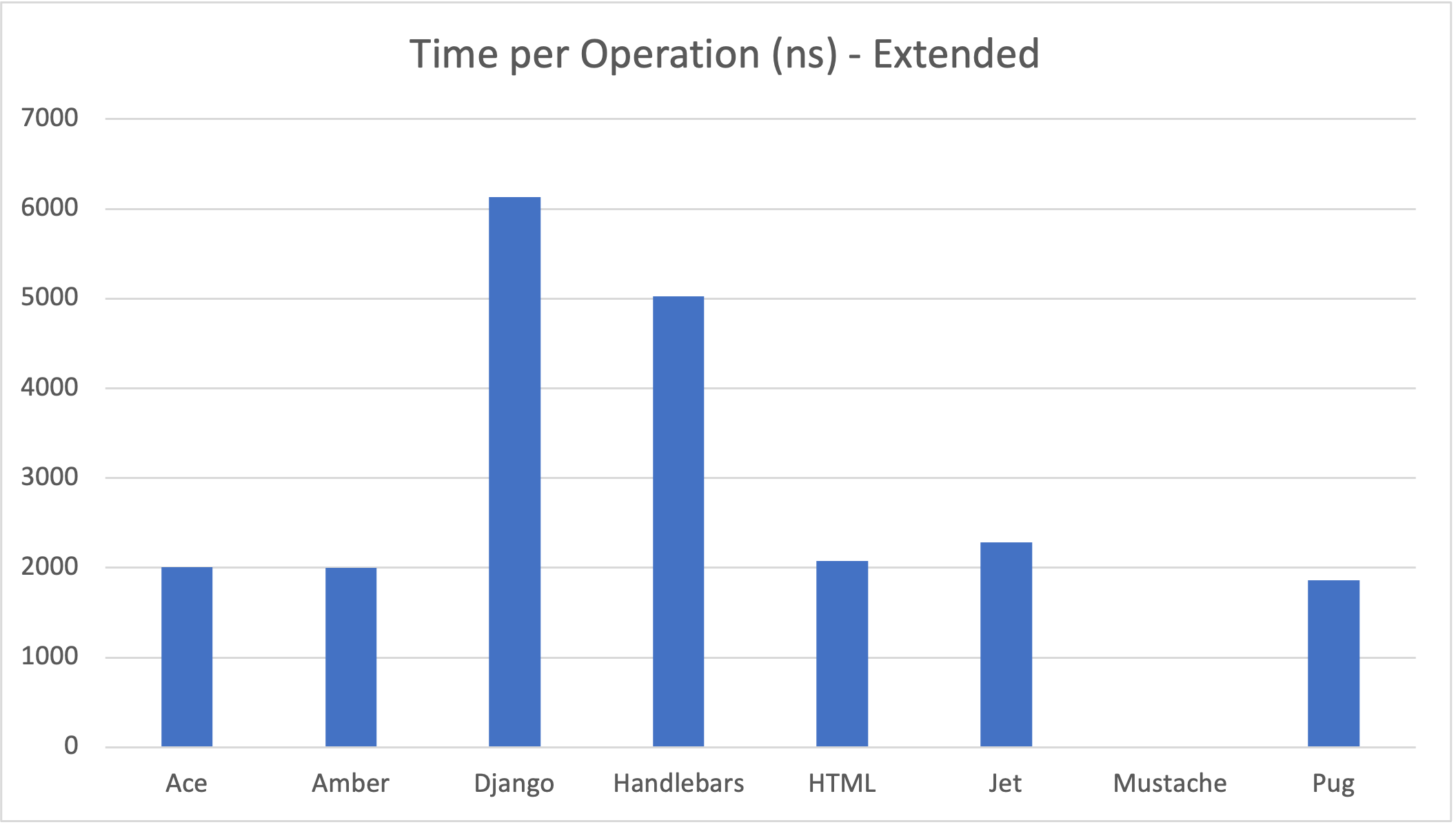
Benchmarks were ran on Apple Macbook M1. Each engine was benchmarked 20 times and the results averaged into a single xlsx file. Mustache was excluded from the extended benchmark
☕ Supporters
Fiber is an open-source project that runs on donations to pay the bills, e.g., our domain name, hosting, and serverless infrastructure. If you want to support Fiber, please become a GitHub Sponsor.


Tool Sponsors - supporting Fiber with free IDE licenses and AI credits


📅 Monthly Sponsors
| 🔥 Fiber Guardian |  |
| ☕ Fiber Supporter |  |
| 🪴 Fiber Friend |  |
🎁 One-time Sponsors
| 🚀 Fiber Hero |  |
| 🪴 Fiber Friend |  |
 Documentation

Documentation

Overview 
Package template provides shared rendering primitives for Fiber template engines.
Index 
- func AcquireViewContext(binding interface{}) map[string]interface{}
- func HasExtension(path, extension string) bool
- func NewViewContext(binding interface{}, extra int) map[string]interface{}
- func RangeViewContext(binding interface{}, fn func(key string, value interface{}))
- func ReadFile(path string, fs http.FileSystem) ([]byte, error)
- func TemplateName(directory, path, extension string) (string, error)
- func ViewContextLen(binding interface{}) int
- func Walk(fs http.FileSystem, directory string, ...) error
- type Engine
- func (e *Engine) AddFunc(name string, fn interface{}) IEngineCore
- func (e *Engine) AddFuncMap(m map[string]interface{}) IEngineCore
- func (e *Engine) Debug(enabled bool) IEngineCore
- func (e *Engine) Delims(left, right string) IEngineCore
- func (e *Engine) FuncMap() map[string]interface{}
- func (e *Engine) Layout(key string) IEngineCore
- func (e *Engine) PreRenderCheck() bool
- func (e *Engine) Reload(enabled bool) IEngineCore
- type IEngine
- type IEngineCore
Constants 
This section is empty.
Variables 
This section is empty.
Functions 
func AcquireViewContext 
func AcquireViewContext(binding interface{}) map[string]interface{}
AcquireViewContext ensures the binding value is represented as a map[string]interface{} so template engines can safely inject layout specific data while preserving the original values. It supports native map[string]interface{} values as well as user-defined map types (for example fiber.Map) with string keys.
func HasExtension ¶ added in v2.1.1
HasExtension reports whether path is a template file for extension: it has to end in extension and carry a name in front of it.
func NewViewContext ¶ added in v2.1.1
NewViewContext resolves binding like AcquireViewContext, but always returns a map the caller owns, sized for extra entries beyond the binding's own.
func RangeViewContext ¶ added in v2.1.1
func RangeViewContext(binding interface{}, fn func(key string, value interface{}))
RangeViewContext resolves binding like AcquireViewContext and hands every key/value pair to fn.
func ReadFile ¶ added in v2.1.0
func ReadFile(path string, fs http.FileSystem) ([]byte, error)
ReadFile reads a file from the file system or http.FileSystem. This wrapper provides a centralized abstraction point for file operations, allowing template engines to depend only on the core package while the core manages the underlying utils dependency.
func TemplateName ¶ added in v2.1.1
TemplateName derives the name a template file is registered under: ./views/partials/footer.html relative to ./views becomes partials/footer.
func ViewContextLen ¶ added in v2.1.1
func ViewContextLen(binding interface{}) int
ViewContextLen reports how many key/value pairs RangeViewContext yields for binding, so engines can size their own context type before filling it.
func Walk ¶ added in v2.1.0
func Walk(fs http.FileSystem, directory string, walkFn func(path string, info os.FileInfo, err error) error) error
Walk walks the file tree rooted at directory, calling walkFn for each file or directory in the tree, including directory. This wrapper provides a centralized abstraction point for filesystem traversal, allowing template engines to depend only on the core package while the core manages the underlying utils dependency.
Types 
type Engine 
type Engine struct {
	IEngineCore
	// delimiters
	Left  string
	Right string
	// views folder
	Directory string
	// http.FileSystem supports embedded files
	FileSystem http.FileSystem
	// views extension
	Extension string
	// layout variable name that incapsulates the template
	LayoutName string
	// determines if the engine parsed all templates
	Loaded bool
	// reload on each render
	ShouldReload bool
	// debug prints the parsed templates
	Verbose bool
	// lock for funcmap and templates
	Mutex sync.RWMutex
	// template funcmap
	Funcmap map[string]interface{}
}
Engine engine struct
func (*Engine) AddFunc 
func (e *Engine) AddFunc(name string, fn interface{}) IEngineCore
AddFunc adds the function to the template's function map. It is legal to overwrite elements of the default actions
func (*Engine) AddFuncMap 
func (e *Engine) AddFuncMap(m map[string]interface{}) IEngineCore
AddFuncMap adds the functions from a map to the template's function map. It is legal to overwrite elements of the default actions
func (*Engine) Debug 
func (e *Engine) Debug(enabled bool) IEngineCore
Debug will print the parsed templates when Load is triggered.
func (*Engine) Delims 
func (e *Engine) Delims(left, right string) IEngineCore
Delims sets the action delimiters to the specified strings, to be used in templates. An empty delimiter stands for the corresponding default: "{{" and "}}".
func (*Engine) Layout 
func (e *Engine) Layout(key string) IEngineCore
Layout defines the variable name that will incapsulate the template
func (*Engine) PreRenderCheck 
PreRenderCheck determines if the engine should reload the templates before rendering. Explicit mutex unlock vs defer offers better performance.
The steady state - loaded, reloading off - is answered under the shared lock.
func (*Engine) Reload 
func (e *Engine) Reload(enabled bool) IEngineCore
Reload if set to true the templates are reloading on each render, use it when you're in development and you don't want to restart the application when you edit a template file.
type IEngine 
type IEngine interface {
	IEngineCore
	Load() error
	Render(out io.Writer, template string, binding interface{}, layout ...string) error
}
IEngine interface, to be implemented for any templating engine added to the repository
type IEngineCore 
type IEngineCore interface {
	AddFunc(name string, fn interface{}) IEngineCore
	AddFuncMap(m map[string]interface{}) IEngineCore
	Debug(enabled bool) IEngineCore
	Delims(left, right string) IEngineCore
	FuncMap() map[string]interface{}
	Layout(key string) IEngineCore
	Reload(enabled bool) IEngineCore
	PreRenderCheck() bool
}
IEngineCore interface
 Source Files